

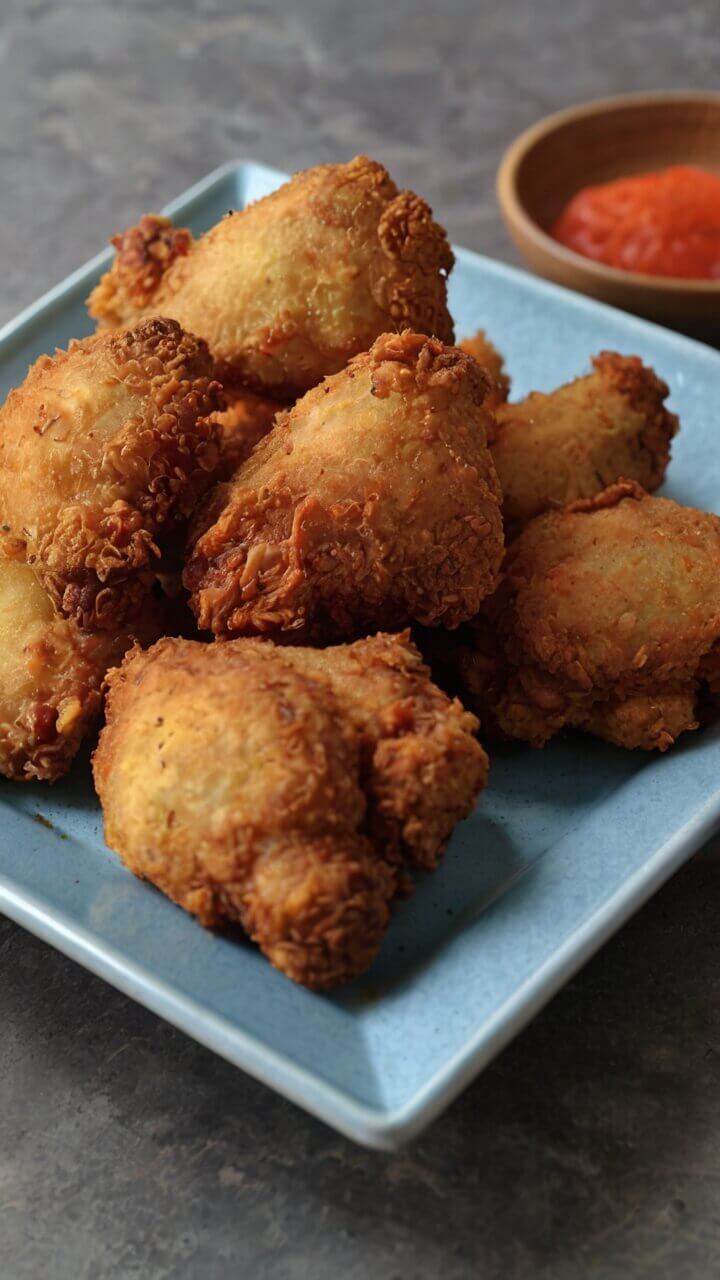
This authentic Japanese Fried Chicken Recipe creates perfectly crispy karaage. The secret lies in double-frying technique and special marinade.
Unlike regular fried chicken, this Japanese version uses potato starch. This creates an incredibly light and crunchy coating. The chicken stays juicy inside while maintaining crispy exterior.
Every bite delivers amazing flavor and satisfying crunch. Japanese fried chicken has become popular worldwide for good reason. The unique preparation method sets it apart from other styles.
Marinating chicken in soy sauce and ginger creates deep flavor. The coating stays crispy longer than traditional flour-based batters. This recipe brings restaurant-quality results to your home kitchen.
When I First Introduced To
My grandmother taught me this Japanese fried chicken recipe years ago. She learned it from a chef in Tokyo. The first bite amazed me with its incredible texture.
The chicken was perfectly seasoned and incredibly tender. Since then, I’ve perfected this recipe through countless trials. Now I’m excited to share this authentic method with you.
Equipment List
- Large mixing bowl
- Deep fryer or heavy pot
- Cooking thermometer
- Wire cooling rack
- Paper towels
Ingredients List
- 2 lbs chicken thighs, cut into bite-sized pieces
- 1/4 cup soy sauce
- 2 tablespoons sake
- 1 tablespoon fresh ginger, grated
- 2 cloves garlic, minced
- 1 cup potato starch
- Oil for deep frying
Step-by-Step Preparation
- Cut chicken into small, uniform pieces.
- Mix soy sauce, sake, ginger, and garlic.
- Marinate chicken for 30 minutes minimum.
- Heat oil to 340°F in deep pot.
- Coat marinated chicken with potato starch completely.
- Fry chicken pieces for 3-4 minutes first.
- Remove and rest for 2 minutes.
- Fry again for 2-3 minutes until golden.
- Drain on wire rack immediately.
- Serve hot while still crispy.
Recipe Tips
- Use chicken thighs for juicier results than breasts
- Don’t skip the double-frying technique for extra crispiness
- Potato starch creates lighter coating than regular flour
- Maintain oil temperature consistently for even cooking
- Let chicken rest between frying rounds completely
What to Serve With Japanese Fried Chicken Recipe
- Steamed Rice: Fluffy white rice absorbs the savory flavors perfectly and balances the crispy texture.
- Japanese Coleslaw: Light, tangy slaw with sesame dressing cuts through the richness beautifully.
- Miso Soup: Warm, comforting soup complements the fried chicken with umami depth.
Conclusion
This Japanese fried chicken recipe delivers restaurant-quality results at home. The double-frying technique ensures maximum crispiness every time.
Perfect for family dinners or entertaining guests with authentic flavors. Master this recipe and you’ll never want regular fried chicken again. Enjoy this crispy, flavorful Japanese culinary masterpiece!
More Amazing Recipes
- Pineapple Ice Cream Recipe
- Oven Baked Boneless Skinless Chicken Thighs Recipe
- Pepperoni Pizza Quesadilla Recipe
- Apple Fritter Bread Recipe

Japanese Fried Chicken Recipe
Equipment
- Large mixing bowl
- Deep fryer or heavy pot
- Cooking thermometer
- Wire cooling rack
- Paper towels
Ingredients
- 2 lbs chicken thighs cut into bite-sized pieces
- 1/4 cup soy sauce
- 2 tablespoons sake
- 1 tablespoon fresh ginger grated
- 2 cloves garlic minced
- 1 cup potato starch
- Oil for deep frying
Instructions
- Cut chicken into small, uniform pieces.
- Mix soy sauce, sake, ginger, and garlic.
- Marinate chicken for 30 minutes minimum.
- Heat oil to 340°F in deep pot.
- Coat marinated chicken with potato starch completely.
- Fry chicken pieces for 3-4 minutes first.
- Remove and rest for 2 minutes.
- Fry again for 2-3 minutes until golden.
- Drain on wire rack immediately.
- Serve hot while still crispy.
Notes
- Use chicken thighs for juicier results than breasts
- Don’t skip the double-frying technique for extra crispiness
- Potato starch creates lighter coating than regular flour
- Maintain oil temperature consistently for even cooking
- Let chicken rest between frying rounds completely